


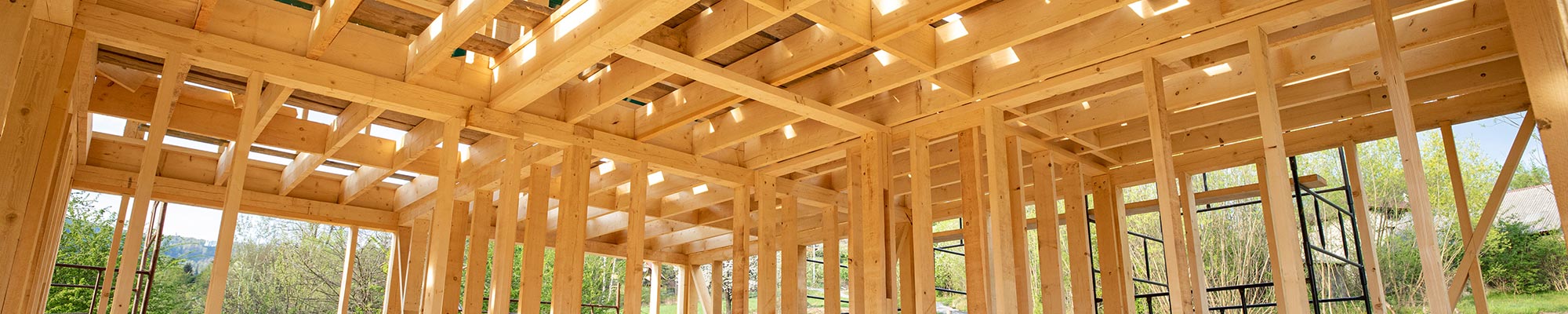
Joists & Carcassing
These softwoods are all fully treated and provided in finished section sizes and lengths to spec. These timbers all come pre graded to certain structural strengths making it easy for you to choose the timbers you need, especially if they’ve been specified for a project.
For example: C16 CLS Softwood is very common for use in carcassing, while C24 is common for joists and rafters.
Having the timber rubber stamped to grade gives you peace of mind when you are fitting that they are suitable for the job.
Softwood is good to work with, so it’s easy to install and shape into what you are looking to build. Being lightweight means the wood can be well handled which is one of the few advantages it has over a specialised Hardwood, along with it being budget friendly.
Due to the timbers being pre-treated they can be used both internally and externally, external use will require additional treatment though and maintenance to get the best out of the timber you are buying.
Available Products
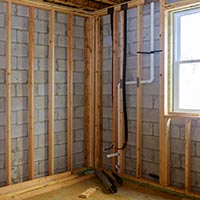 Green Pressure Treated Softwood, ideal for Carcassing and Studding. Supplied in finished sizes.
C24 Joists
Green Pressure Treated Softwood, ideal for Carcassing and Studding. Supplied in finished sizes.
C24 Joists
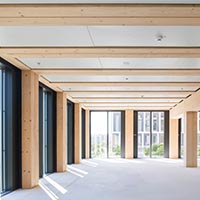 These joists are commonly used in houses, they are lightweight and strong enough to take structural loads.
Differences between C16 and C24
Both C16 and C24 are recognised strength classes under BS EN 338 with the number representing the bending strength of the piece in N/mm2 (C16 = 16, C24 = 24). When selecting timber to be used structurally it’s important to get the right grade to suit what the structural engineer has asked for.
C16 timber is a standard workhorse grade which is great for light work such as:
Carcassing
Roof Battens
Noggins
Wall plates
Stud Walls
C24 joists are denser with fewer, smaller knots and the timber is stiffer so smaller sections can take higher loads. (This is particularly handy when working in smaller spaces). In general C24 is used for Roof Rafters, Floor Joists and any other span where deflection is important.
The visual differences between the grades are very small, so they have to be professionally graded when selected.
Treatment
All the timber on Softwood direct is pressure treated, but what does that actually mean? Well there are a range of treatments available which can be applied by anyone, these include paints and oils which coat the surface of the wood.
Pressure treating is different to that, the process puts the timber through a vacuum where the preservative is pressure forced into the wood, having long term benefits which last. The use classes of these timbers are UC2 & UC3 – i.e. they are usable externally as long as they have no contact with the ground.
FAQs
Can I use C16 instead of C24 for floor joists?
Yes it is sometimes possible, however, we always recommend asking a structural engineer to confirm this so you make sure you use the correct timber. This is the best way to make sure what you are doing is safe.
Is treated carcassing ok for internal use?
Yes, pressure treated timbers are commonly used internally, they are durable and cost effective so are often used where they aren’t seen and in areas that might be affected by damp conditions.
Can I paint or stain it?
Yes the timbers can be painted, usually you need to wait 3-6 months for them to dry first, once they are dry they take a paint really well, making them easy to maintain.